



FIFA World Cup 2026 ; FIFA Emerges as the $9 Billion Winner as the Biggest, Boldest World Cup Ever Draws to a Close
The 2026 FIFA World Cup ended with a new champion, but FIFA emerged as the biggest winner. Here’s an in-depth analysis of how the expanded tournament generated nearly $9 billion in revenue and reshaped the future of global football.
FIFA Emerges as the $9 Billion Winner as the Biggest, Boldest World Cup Ever Draws to a Close
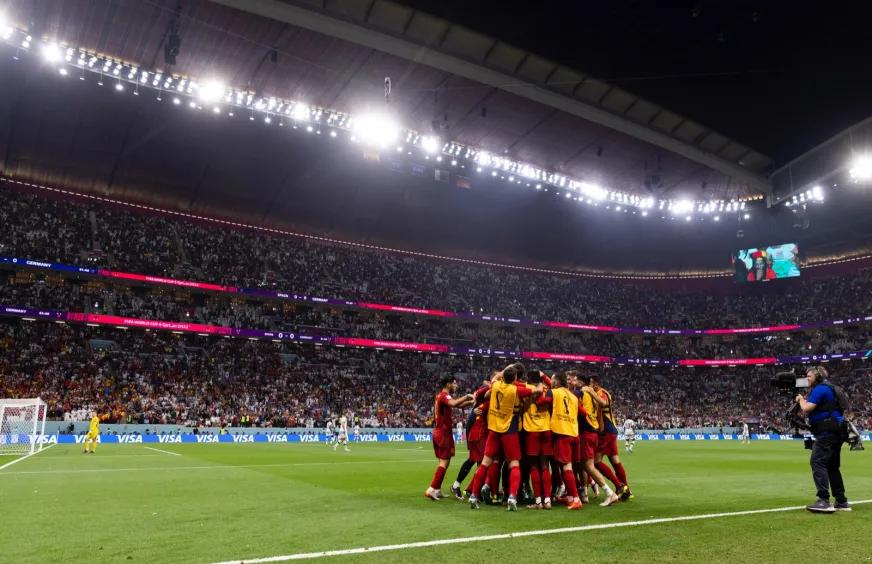
The final whistle has blown, the confetti has settled, and the 2026 FIFA World Cup has officially entered the history books. While Spain lifted the coveted trophy after an impressive campaign, another winner quietly celebrated an even bigger victory away from the pitch—FIFA.
FIFA World Cup 2026 The governing body of world football is expected to generate approximately $9 billion in revenue from the tournament, making this not only the largest FIFA World Cup ever staged but also the most commercially successful in football history. Hosted across the United States, Canada, and Mexico, and featuring 48 national teams for the first time, the tournament transformed football into a month-long global business spectacle.The expanded format attracted record-breaking audiences, unprecedented sponsorship deals, soaring merchandise sales, and billions of digital interactions. It demonstrated that the FIFA World Cup has evolved beyond a sporting event into one of the world’s most powerful entertainment and business platforms.
A World Cup Unlike Any Before
The 2026 edition marked a historic turning point.
For the first time, FIFA expanded the tournament from 32 to 48 teams, increasing the number of matches and giving more nations the opportunity to compete on football’s biggest stage.
Initially,FIFA World Cup 2026 critics questioned the decision.Would too many teams dilute the quality?Would fans lose interest during the longer tournament?Would the additional fixtures exhaust players?Instead, the opposite happened.The expanded competition created fresh rivalries, introduced new footballing nations to global audiences, and produced several memorable upsets. More participating countries also meant more television viewers, greater national engagement, and significantly larger commercial opportunities.
The World Cup became truly global in both sporting participation and financial reach.
Why FIFA Is the Biggest Winner
Although players competed for football’s greatest prize, FIFA walked away with something equally significant—record-breaking revenue.FIFA World Cup 2026 Industry estimates place FIFA’s total income from the 2026 World Cup at around $9 billion, a remarkable increase compared with previous tournaments.FIFA World Cup 2026FIFA World Cup 2026This financial success did not come from a single source. Instead, it resulted from a carefully built commercial ecosystem.
Broadcasting Rights: The Financial Engine
Television and digital broadcasting remain FIFA’s largest source of revenue.
Media companies across every continent competed fiercely for exclusive broadcasting rights, recognizing that the World Cup consistently ranks among the most-watched sporting events globally.
FIFA World Cup 2026 Unlike previous decades, today’s audiences consume football across multiple platforms.Traditional television remains important, but streaming services, mobile applications, smart TVs, and social media have dramatically expanded viewership.Every match generated millions of viewers simultaneously, allowing broadcasters to command premium advertising rates and making FIFA’s media rights extraordinarily valuable.
Sponsorship Reached New Heights
The World Cup remains one of the world’s most attractive marketing platforms.
Global brands invest billions because the tournament delivers unmatched visibility across nearly every major market.Companies from industries including technology, automotive, banking, beverages, sportswear, logistics, airlines, and consumer electronics secured sponsorship agreements with FIFA.
FIFA World Cup 2026 These partnerships extended far beyond stadium advertising.Brands integrated themselves into digital campaigns, fan experiences, social media content, and interactive marketing initiatives throughout the tournament.
For multinational corporations, the World Cup offered something few events can—global attention concentrated over a single month.
Ticket Sales Broke Records
FIFA World Cup 2026 Hosting more teams inevitably meant hosting more matches.That translated directly into higher ticket sales.Many stadiums across the United States, Canada, and Mexico operated at or near full capacity.Premium hospitality packages sold at exceptionally high prices, while demand for semifinal and final tickets vastly exceeded supply.Although ticket prices attracted criticism in some markets, consumer demand remained remarkably strong.Fans demonstrated that experiencing a World Cup in person continues to be one of sport’s most sought-after experiences.
Merchandise Became a Global Business
Official jerseys, scarves, footballs, collectibles, training kits, and licensed memorabilia generated another major revenue stream.The tournament also benefited from the explosive growth of e-commerce.
The Digital Revolution Changed Everything
FIFA World Cup 2026 Perhaps the biggest difference between 2026 and earlier World Cups was digital engagement.
Football is no longer experienced solely inside stadiums or through television broadcasts.
Fans now consume highlights instantly through YouTube, Instagram, TikTok, Facebook, and X.
Short-form videos, behind-the-scenes content, player interviews, tactical analysis, and interactive fan experiences created billions of impressions across social media platforms.This digital ecosystem generated substantial advertising revenue while strengthening FIFA’s commercial relationships with technology companies and sponsors.
Economic Impact Beyond Football
The World Cup also produced significant economic benefits for the host nations.
FIFA World Cup 2026 Millions of international visitors traveled across North America, contributing to local economies through spending on hotels, restaurants, transportation, entertainment, and tourism.
Cities hosting matches experienced increased business activity, while airports, hospitality providers, retailers, and local service industries enjoyed one of their busiest periods in years.FIFA World Cup 2026
Beyond immediate tourism revenue, investments in transportation infrastructure, stadium modernization, and urban development may continue delivering economic benefits long after the tournament ends.
Spain’s Triumph on the Pitch
While FIFA celebrated commercial success, Spain earned football’s greatest reward.Their disciplined tactical structure, technical excellence, and consistent performances throughout the tournament culminated in a deserved World Cup title.FIFA World Cup 2026Spain demonstrated remarkable balance between possession-based football and defensive organization, proving once again why they remain among international football’s elite.
For players and supporters alike, lifting the trophy represented years of preparation, sacrifice, and excellence.
Argentina’s Remarkable Journey
Argentina may have fallen short in the final,FIFA World Cup 2026 but their campaign reinforced the nation’s enduring football tradition.The team displayed resilience throughout the tournament and once again reached football’s biggest stage.Although disappointment accompanied defeat, Argentina’s performances ensured they remained among the world’s strongest footballing nations.
Challenges Behind the Success
Despite its financial achievements, the tournament was not without criticism.
FIFA World Cup 2026 Several issues generated debate throughout the competition.Player welfare became a recurring concern due to increased travel across three countries and a larger fixture schedule.Some supporters criticized expensive ticket pricing.Environmental experts questioned the tournament’s carbon footprint associated with long-distance travel.Logistical challenges occasionally emerged because of the vast geographical distances separating host cities.These concerns suggest that while commercial expansion has clear financial advantages, FIFA will need to balance profitability with sustainability and player welfare in future tournaments.
What This Means for the Future of Football
The success of the 2026 World Cup is likely to influence FIFA’s long-term strategy.
The expanded format appears commercially viable, making it increasingly unlikely that FIFA will return to a smaller tournament.https://udtamaharashtra.com/
Instead, the organization is expected to continue investing in:
- Artificial Intelligence for match analysis and fan engagement
- Enhanced digital broadcasting experiences
- Smart stadium technologies
- Interactive fan platforms
- Global youth development programs
- Women’s football expansion
- Emerging football markets across Asia, Africa, and North America
The tournament has proven that football’s commercial potential continues to grow alongside technological innovation.
The Bigger Picture
The World Cup has evolved into far more than a football tournament.
It is now a global media event, an international tourism driver, a marketing platform for multinational corporations, and one of the world’s most profitable sporting enterprises.https://www.cnbc.com/2026/07/20/world-cup-fifa-football-winner-tournament-spain.html
For FIFA, the estimated $9 billion revenue represents more than financial success.
It demonstrates the organization’s ability to transform football into a truly global business while maintaining its emotional connection with billions of fans.
However, the challenge ahead will be ensuring that commercial growth does not overshadow the sport itself.Maintaining competitive integrity, protecting player welfare, improving environmental sustainability, and making the tournament accessible to fans will be just as important as generating record revenues.
Analysis of FIFA 2026
The 2026 FIFA World Cup will be remembered for many reasons—its expanded format, three-country hosting model, unforgettable matches, and Spain’s championship victory.
Yet perhaps its most enduring legacy lies in its commercial impact.
With an estimated $9 billion in revenue, FIFA has established a new benchmark for the business of sport. Broadcasting rights, sponsorships, ticket sales, merchandise, and digital engagement combined to create the most financially successful World Cup ever staged.As football continues to expand into new markets and embrace emerging technologies, the 2026 tournament may ultimately be remembered not just as the biggest World Cup in history, but as the event that redefined the economics of global sport.