

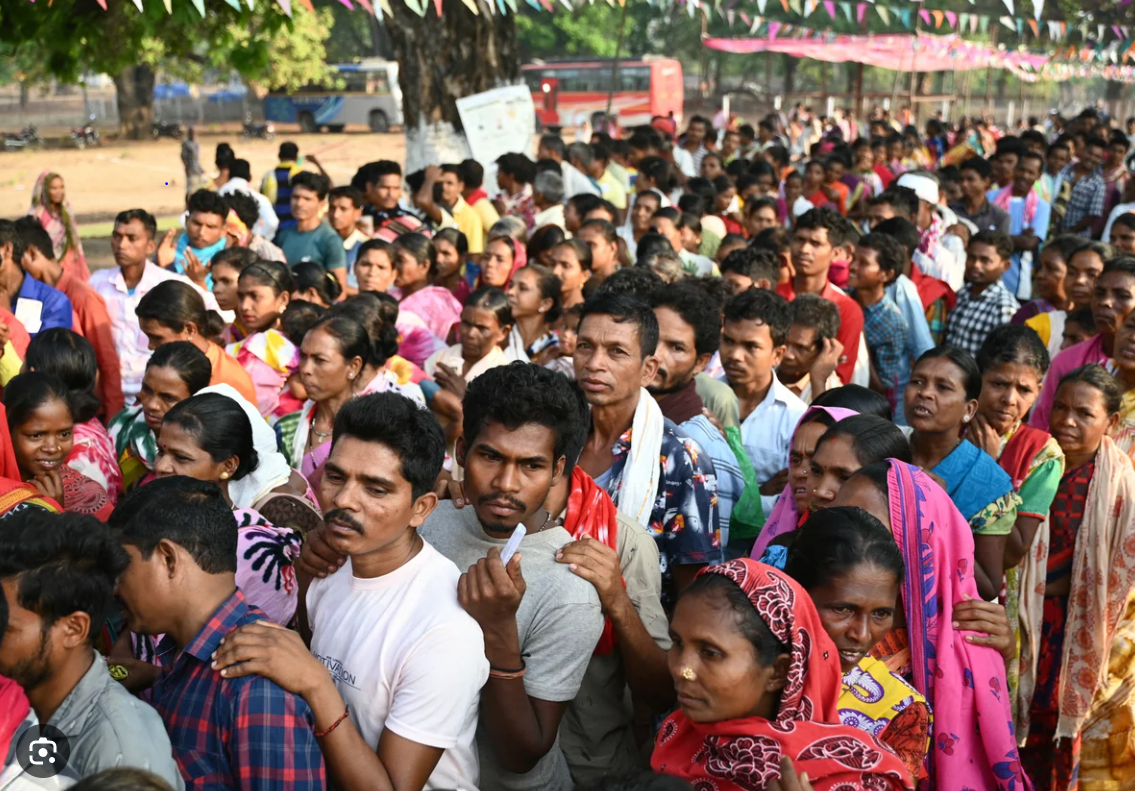
Villages are the foundation of every nation. In countries like India, a large part of the population still lives in rural areas and depends on agriculture, local businesses, and community resources for survival. While governments introduce new schemes and development programs every year, many villages continue to struggle with poor infrastructure, limited healthcare, weak educational facilities, and unemployment. One major factor behind this issue is understanding how politician mentality affects village development. The discussion about how politician mentality affects village development is important because political decisions influence almost every aspect of rural life. Roads, schools, hospitals, water supply systems, and employment opportunities often depend on the priorities and vision of local leaders.
The Importance of Political Leadership in Villages
Political leaders play a critical role in shaping the future of villages. They are responsible for bringing government schemes to local communities and ensuring that public funds are used properly. However, the impact of leadership depends heavily on attitude, priorities, and long-term planning. When examining how politician mentality affects village development, one common issue is the focus on short-term popularity instead of long-term progress. Some leaders prioritize projects that provide immediate visibility rather than investments that improve lives for decades. For example, building decorative structures may attract attention before elections, but improving irrigation systems or schools often creates greater benefits for future generations.
Vote Bank Politics and Rural Development
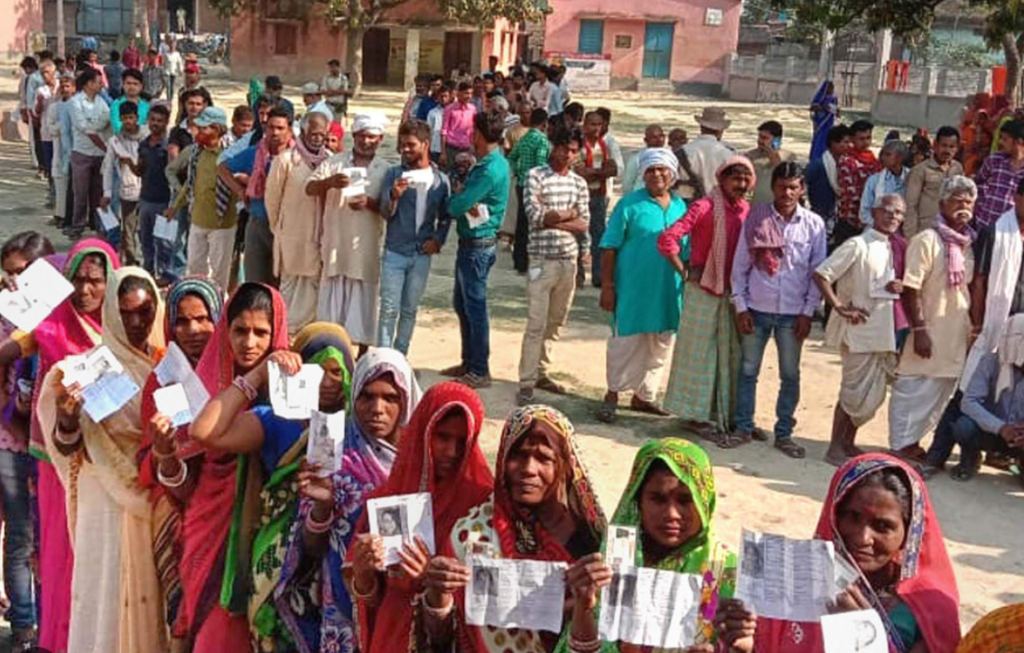
Another important aspect of how politician mentality affects village development is vote bank politics. In many regions, development projects are selected based on political support rather than actual community needs.
Villages that strongly support a particular political group may receive more attention, while others are ignored despite facing serious problems. This creates inequality between neighboring communities and slows overall rural progress. Development should be based on need, not political loyalty. When politicians think beyond elections and focus on public welfare, villages benefit in the long run.
Lack of Long-Term Planning
One reason how politician mentality affects village development becomes a major concern is the absence of long-term planning. Sustainable village development requires strategies that may take five, ten, or even twenty years to show results. Projects related to education, healthcare, agricultural modernization, and skill development require patience and consistent investment. Unfortunately, political cycles often encourage leaders to focus on achievements that can be showcased before the next election. As a result, villages receive incomplete projects, unfinished roads, or facilities that stop functioning after a few years.
Corruption and Misuse of Resources
Any discussion about how politician mentality affects village development must include corruption and misuse of public resources. Funds allocated for roads, water systems, sanitation, and housing programs sometimes fail to reach their intended beneficiaries. Even small leakages in development budgets can significantly affect rural communities where resources are already limited. A school without teachers or a health center without medical equipment provides little value to villagers. Transparency and accountability are essential if rural development programs are to succeed.
Positive Political Mentality Can Transform Villages
While negative examples often receive attention, understanding how politician mentality affects village development also means recognizing the positive role that committed leaders can play. Many villages have experienced remarkable progress because local representatives focused on practical solutions. Investments in education, digital connectivity, agricultural technology, and women’s empowerment have transformed entire communities. Leaders with a development-oriented mindset often encourage participation from local residents, experts, and community organizations. Such collaboration creates sustainable growth rather than temporary improvements.
Education as a Priority
Education is one of the strongest examples of how politician mentality affects village development. Politicians who prioritize schools, teacher quality, libraries, and vocational training create opportunities for future generations.
A well-educated rural population can adopt modern farming techniques, start businesses, and access better employment opportunities. Education also improves awareness about healthcare, sanitation, and financial planning. Ignoring education may save money in the short term, but it limits economic growth for decades.
The Role of Local Governance
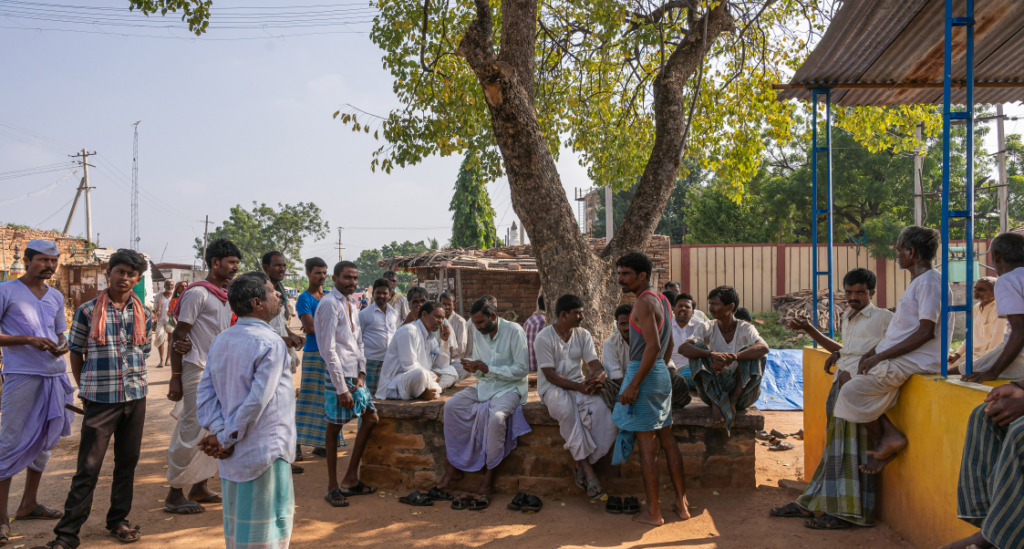
Village councils and local governing bodies are often the first point of contact between citizens and the government. Their effectiveness further highlights how politician mentality affects village development. Leaders who encourage transparency, regular meetings, and public participation usually achieve better results. Villagers themselves often understand local problems better than distant administrators. Including community voices in decision-making ensures that development projects address real needs rather than political preferences.
The Future of Rural Development
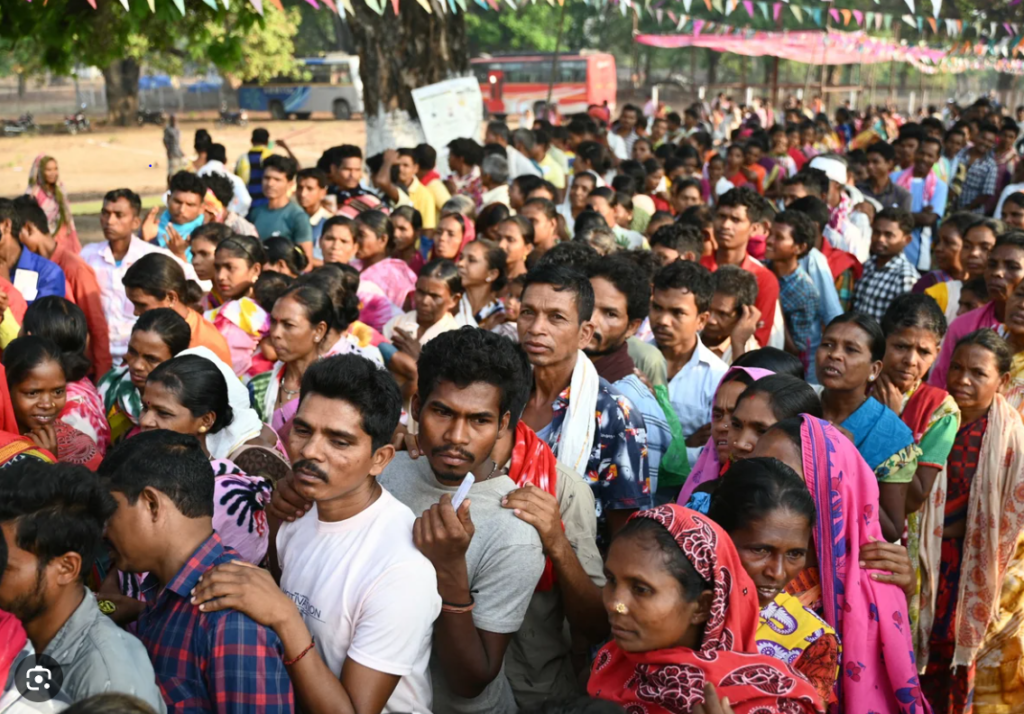
The future of villages depends not only on government funding but also on leadership quality and public participation. Understanding how politician mentality affects village development helps communities identify obstacles and demand better governance. Villages have enormous potential to contribute to national growth through agriculture, small industries, tourism, and entrepreneurship. Unlocking this potential requires leaders who think beyond elections and focus on sustainable progress. When politicians adopt a service-oriented mindset, villages become stronger, economies become healthier, and opportunities become available to everyone.
Conclusion
The issue of how politician mentality affects village development goes far beyond politics itself. It influences education, healthcare, infrastructure, employment, and quality of life for millions of people. A positive political mindset can transform villages into thriving communities, while short-term thinking and political favoritism can delay progress for years. The real solution lies in accountable leadership, active citizen participation, and a shared commitment to long-term development. Only when leaders prioritize people over politics will villages achieve the growth and prosperity they truly deserve.